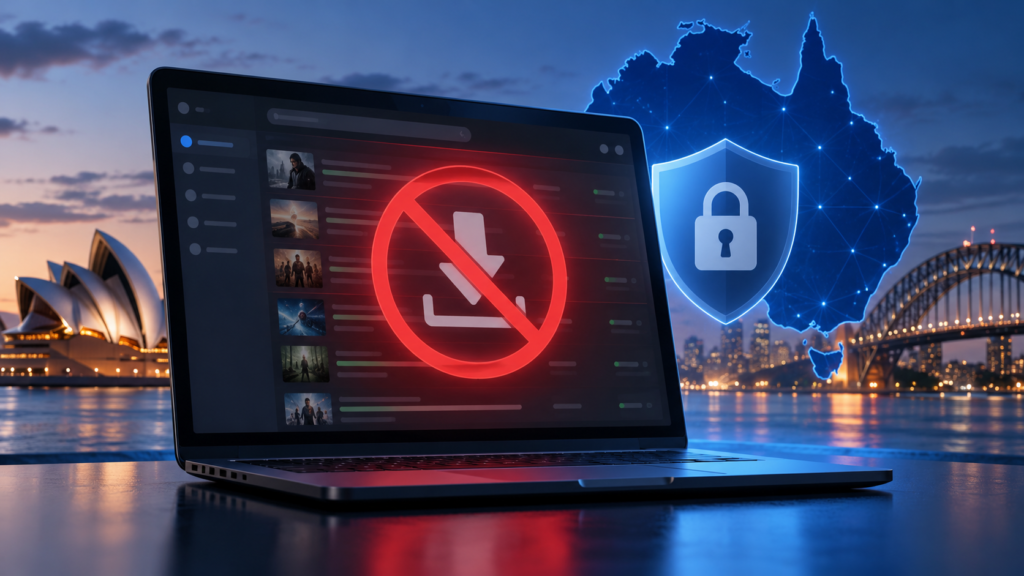

Search for a popular torrent index and you will find dozens of lookalike sites claiming to be it, which naturally leads to one question: is 1337x safe to use through these unofficial copies? The honest answer is that the risk comes from how unofficial proxy and mirror sites work: anyone can set one up, nobody accountable stands behind most of them, and many are funded by the most aggressive corners of online advertising. This article weighs the real risks and the safer legal routes.
What People Mean When They Ask “Is 1337x Safe?”
Most readers asking this question are really asking three separate things. First, will visiting a site like this put malware on my device? Second, can I trust that the page in front of me is what it claims to be? Third, could I get into legal trouble? Those are different risks with different answers. It also helps to separate the original site from the copies: proxy and mirror sites are run by unknown third parties, so their behaviour can differ completely from one copy to the next — and that lack of accountability is the starting point for every risk below.
Why Unofficial Mirror and Proxy Sites Carry Extra Risk
A mirror site copies the look and listings of a better-known site, and a proxy routes your visit through an intermediary address. Because setting one up is cheap and anonymous, there is no quality control and no reputation to protect. A legitimate business worries about repeat visitors; a disposable copy can be abandoned and replaced in a day. Many stay online by selling space to advertising networks that ask few questions, which is how scam promotions and harmful redirects end up beside ordinary content. Our earlier look at whether 1337x proxy sites contain advertisements shows how central that advertising is to how these sites operate. The visitor carries nearly all of the risk, with no support and no one to complain to.
The Main Risks: Ads, Fake Domains, and Downloads
The most common danger is advertising itself. Pop-ups, fake play buttons, counterfeit download buttons, and pages that imitate system security warnings are standard fare on unofficial copies, and one wrong click can lead to unwanted software or scam subscriptions. The second risk is the domain: lookalike addresses with swapped letters or extra words funnel visitors to copies built purely to harvest clicks, credentials, or payments, and a fake site may ask you to register or pay for something the original never charged for. The third and most serious risk is downloads. Any file offered through an unofficial channel can be bundled with malware, and software or media from unverified sources is a classic infection route.
The Legal Risk Many Readers Overlook
Safety is not only a technical question. Sites in this category are strongly associated with copyright-infringing content, and downloading or sharing copyrighted material without permission is illegal in many countries, regardless of which site provided it. Consequences vary by place and situation — warning notices from internet providers, fines, or worse — but the risk belongs to the user, not to the disposable site, which can simply disappear. Ignorance of local rules is not a defence, so the legal side deserves as much weight as the malware side when judging whether a visit is “safe.”
How to Protect Yourself in General
On any unfamiliar site, a few habits sharply reduce your exposure. Keep your browser and operating system updated, and run reputable security software that is kept current. Never enter card details, passwords, or personal information into a site you cannot verify, and never install software or browser extensions that a page pushes on you with urgency or warnings. Treat oversized download buttons and security alerts inside web pages as suspicious by default, and close tabs that redirect repeatedly. Prefer well-known, official sources: checking who runs a site is the most effective safety step there is.
Safer, Legal Alternatives Worth Using Instead
The practical answer to most safety worries is that the content people look for usually has a legitimate route. Films and series are widely available through established streaming services, including free ad-supported options. Software and games have official stores and project pages, and much genuinely free material is shared lawfully through peer-to-peer networks designed for it — our guide to legal peer-to-peer file sharing platforms walks through how those services work. Choosing those routes removes the malware risk, the fake-domain risk, and the legal risk at the same time, which careful clicking on unofficial copies can never fully do.
Frequently Asked Questions
Can a mirror or proxy site put malware on my device?
Yes, it is possible. The usual routes are deceptive ads and download buttons that lead to harmful installers, and files from unverified sources that carry more than they claim. Viewing a page is lower risk than downloading and running something, but no visit to an unofficial copy can be called completely safe.
How can I tell whether a site is a fake lookalike?
Look for small differences in the domain spelling, unusual requests such as payment or registration, heavy pop-up behaviour, and pages that push urgent software installs. When in doubt, leave: uncertainty about who runs a site is itself the warning sign.
Is it illegal to use sites like 1337x?
Browsing rules and enforcement differ by country, but downloading or sharing copyrighted content without the rights holder’s permission is illegal in many jurisdictions, and that is the activity these sites are known for. Laws and penalties vary, so check the rules where you live rather than rely on what a site claims.
What is the safest way to get software, games, and media?
Use official stores, the project’s own website, and recognised streaming or download services, including the legal free and open-source sources that distribute content with permission. These routes are accountable and supported, which is why they are safer than any unofficial copy.
Conclusion
So, is 1337x safe? Through unofficial proxy and mirror sites, the fair verdict is: riskier than most readers assume, and riskier than it needs to be. The dangers are concrete — malicious advertising, fake lookalike domains, untrustworthy downloads, and real legal exposure around infringing content — and they exist because nobody accountable operates those copies. General caution reduces the technical risks but cannot remove the legal one. The legal alternatives are simply the better answer: safer for your device, and clear of trouble.